Company timeline
Stiesdal Offshore builds on more than four decades of wind energy engineering. From the definition of the Danish Concept in 1978 to the world’s first offshore wind farm in 1991, the timeline reflects a continuous focus on simplifying technology to enable industrial scale.
1978
The birth of the Danish Concept
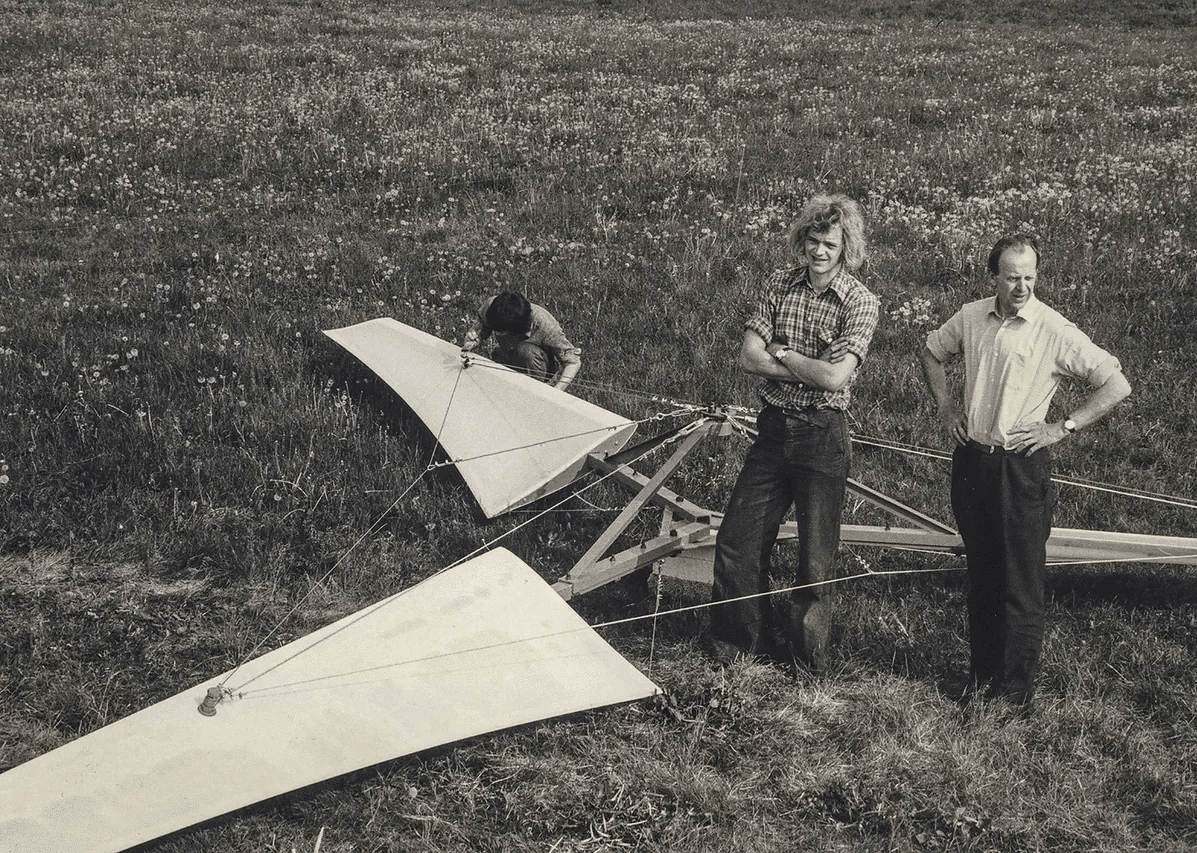
In an effort to simplify wind energy, Henrik Stiesdal designs and builds a robust, three-bladed wind turbine on his family farm. While many early designs were complex and aerospace-inspired, this turbine prioritized robustness and simple manufacturing.
The design became known as the Danish Concept and formed the basis for the modern wind turbine architecture. It also established the industrial logic that underpins Stiesdal Offshore’s approach to floating wind today.
The design became known as the Danish Concept and formed the basis for the modern wind turbine architecture. It also established the industrial logic that underpins Stiesdal Offshore’s approach to floating wind today.

1991
World's first offshore windfarm
As part of the technical leadership at Bonus Energy (now Siemens Gamesa), Henrik Stiesdal contributes to the development of Vindeby, the world’s first offshore wind farm. At the time, offshore wind was widely regarded as technically challenging and commercially uncertain.
The industrial link: Vindeby demonstrated that wind energy could be deployed beyond the shoreline and laid the foundation for offshore wind development. This offshore legacy is now being extended into deep water through floating wind.
The industrial link: Vindeby demonstrated that wind energy could be deployed beyond the shoreline and laid the foundation for offshore wind development. This offshore legacy is now being extended into deep water through floating wind.

2016
The "Tetra" logic is born
As floating wind concepts began trending toward increasingly heavy and complex structures, the TetraSpar concept was developed to address the risk of repeating the inefficiencies seen in early onshore wind designs.
The industrial link: The objective was not only to create a structure that floats, but to develop a foundation system that could be industrially mass-produced using standardized, factory-made components, applying the Danish Concept philosophy to floating wind foundations.
The industrial link: The objective was not only to create a structure that floats, but to develop a foundation system that could be industrially mass-produced using standardized, factory-made components, applying the Danish Concept philosophy to floating wind foundations.

2017
Stiesdal Offshore incorporated
Stiesdal Offshore was incorporated as a dedicated commercial entity focused on floating offshore wind. The company was established to move floating wind from R&D-driven concepts toward an industrialized and bankable product category capable of gigawatt-scale deployment.

2017
First TetraSpar tank test
Scale-model tank testing of the TetraSpar concept validated key hydrodynamic and stability characteristics, providing early technical verification of the design and supporting further development toward full-scale demonstration.

2019
TetraSpar selected for demonstrator project
The TetraSpar concept was selected for a full-scale demonstrator project, marking the transition from concept development to real-world deployment.

2021
TetraSpar Demo operational
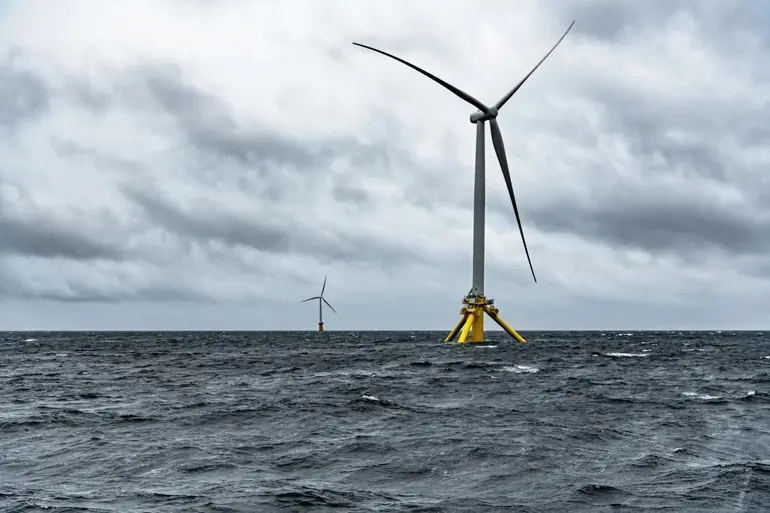
The 3.6 MW TetraSpar demonstrator became operational offshore Norway. The project generated performance data covering stability, installation procedures, and operational behavior of floating wind foundations.
2021 – present day
Operational learning and performance validation
Operational experience from the demonstrator has been used to confirm key design assumptions and inform the development of subsequent industrialized floating foundation concepts

2023
First TetraSub foundation enters production
Building on experience from TetraSpar, Stiesdal Offshore advanced the TetraSub foundation concept. In 2023, the first TetraSub foundation entered production, targeting next-generation turbines and industrial-scale floating wind projects.

2024
Strategic partnership and ownership investment by CIP
Copenhagen Infrastructure Partners (CIP) became a minority shareholder in Stiesdal Offshore, supporting the company’s transition from technology development toward industrial-scale delivery of floating wind foundations.

2026 and beyond
Commercial-scale deployment of floating wind foundations
Stiesdal Offshore is progressing toward commercial deployment of industrialized floating wind foundations for large-scale projects, supporting gigawatt-scale floating offshore wind development in deep-water markets.