The vital role of floating wind
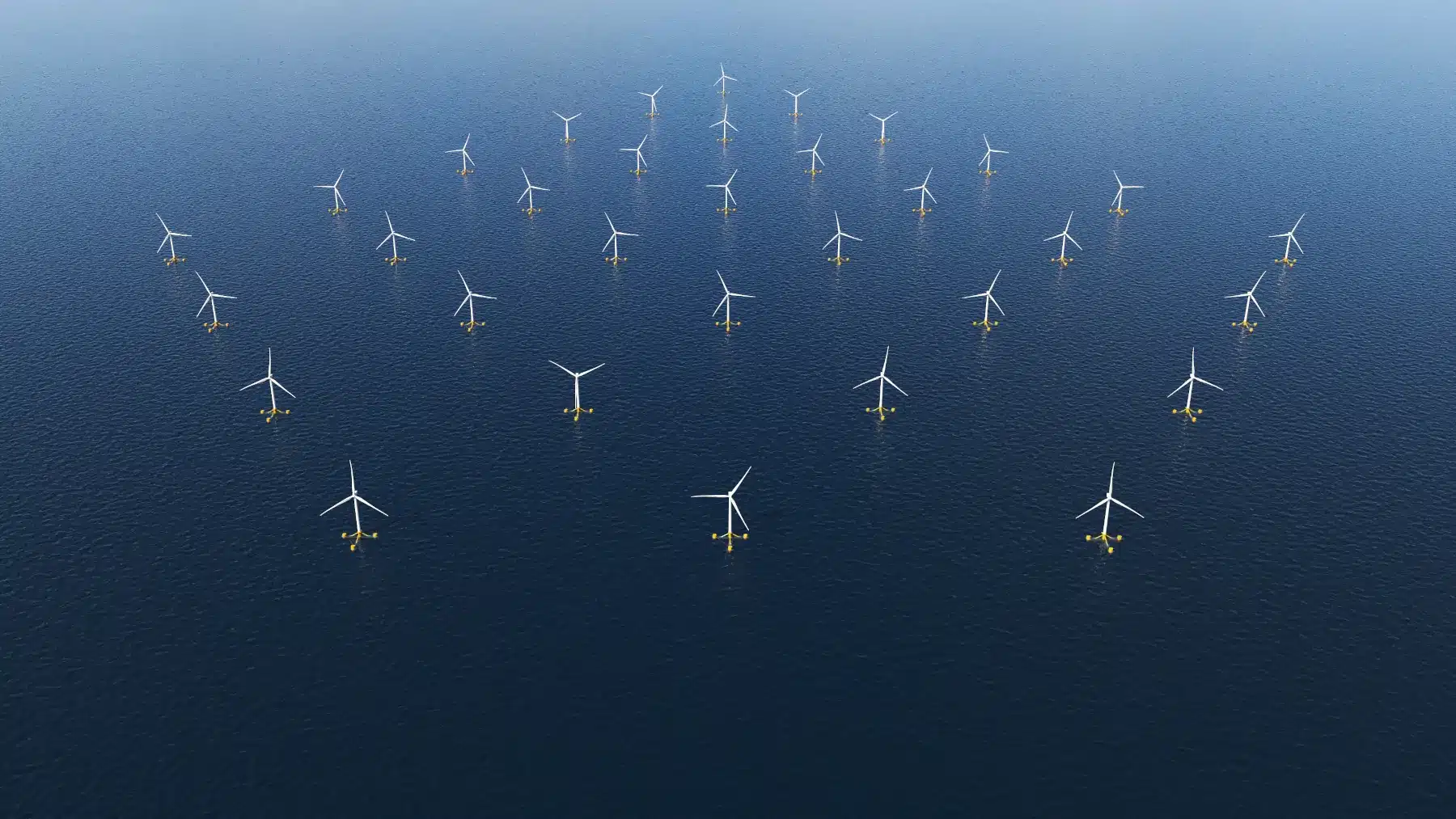
A resilient energy system depends on scale. According to the IEA, bottom-fixed offshore wind alone has enough technical potential to cover the world’s total energy consumption. When floating wind is added, that potential increases by a factor of ten.
Floating wind is not just a technology for deep waters; it is a key enabler for accessing the strongest and most consistent wind resources on the planet.
The geography challenge
Many densely populated regions are poorly suited to bottom-fixed offshore wind due to steep seabed conditions close to shore. This includes parts of East Asia, the western coast of North America, the Mediterranean, and large areas of island and archipelago nations.
Countries such as Japan, South Korea, Taiwan, regions like California, and much of Southern Europe face a common geographic constraint: water depths increase too rapidly for fixed foundations. In these regions, floating wind provides access to offshore wind resources at the scale required for decarbonization.
Floating technology removes these constraints. It opens up regions with water depths exceeding 60 meters, where wind resources are typically stronger and more consistent, and allows power generation assets to be placed where demand exists, not only where the seabed is shallow.
Why we need the gigawatts
A full transition to green energy requires significantly more electricity than the world consumes today. Decarbonization is not limited to replacing coal- and gas-fired power plants; it also involves electrifying transport and heating, and producing Power-to-X fuels for heavy industry.
To illustrate the scale, look at Denmark:
- Meeting current national electricity demand requires approximately 14 GW of offshore wind capacity.
- Producing green fuels for a single large shipping company, such as Maersk, would require an additional 40 GW.
This level of demand cannot be met in shallow waters alone. Floating wind provides access to the physical space required to generate electricity at this industrial magnitude.
The future is deep
The energy resources located in deep waters exceed shallow-water resources by a factor of ten. Floating wind is the technology that turns this theoretical potential into a practical pathway for large-scale decarbonization.
From innovation to industrialization
For many years, the central question surrounding floating wind was simple: Does it work?
Today, thanks to pioneering efforts across the industry, from early projects in Norway and Portugal to The TetraSpar Demonstrator in the North Sea, the answer is clear.
The question has shifted to a new challenge: How do we make floating wind affordable?
Historically, floating wind has been constrained by the cost of mooring systems and dynamic cables. These factors remain important, but they are increasingly being addressed through a new industrial logic. At Stiesdal Offshore, we argue that the path to low levelized cost of energy lies in standardization.
Key elements of an industrial approach
A socket-based foundation approach
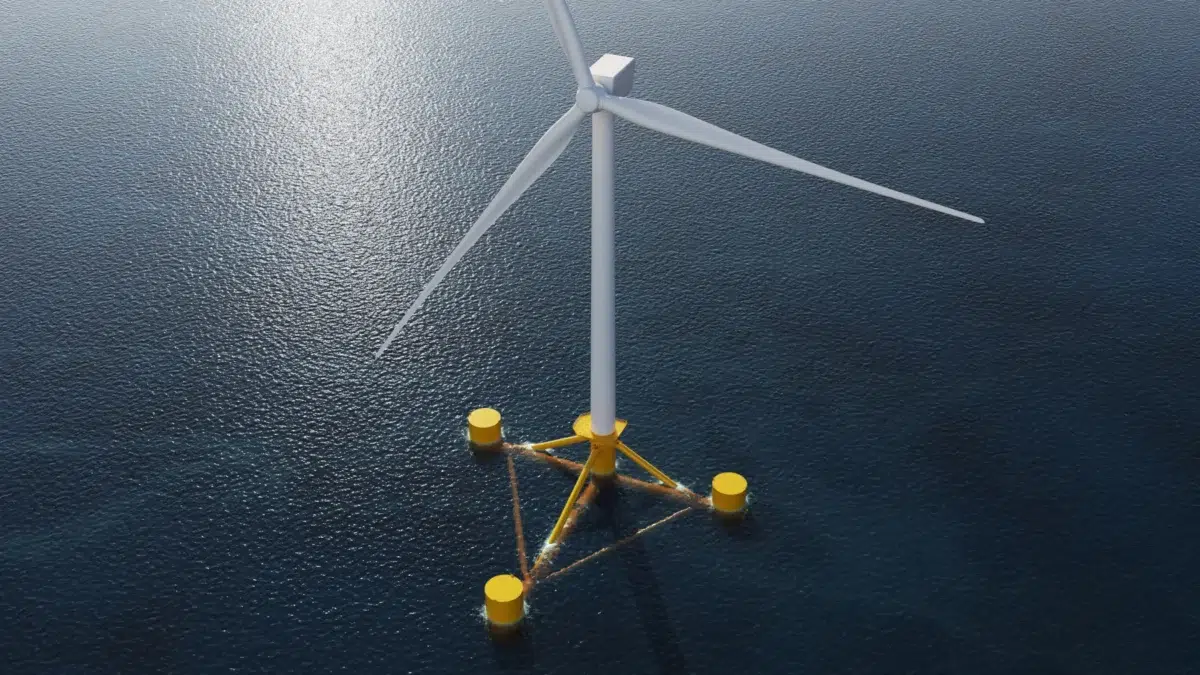
Unlike bottom-fixed foundations, which must be custom-designed for the specific soil conditions at each turbine location, floating foundations are largely site-agnostic. The same standardized foundation design can be mass-produced for projects in different regions, from Scotland to South Korea.
Port flexibility
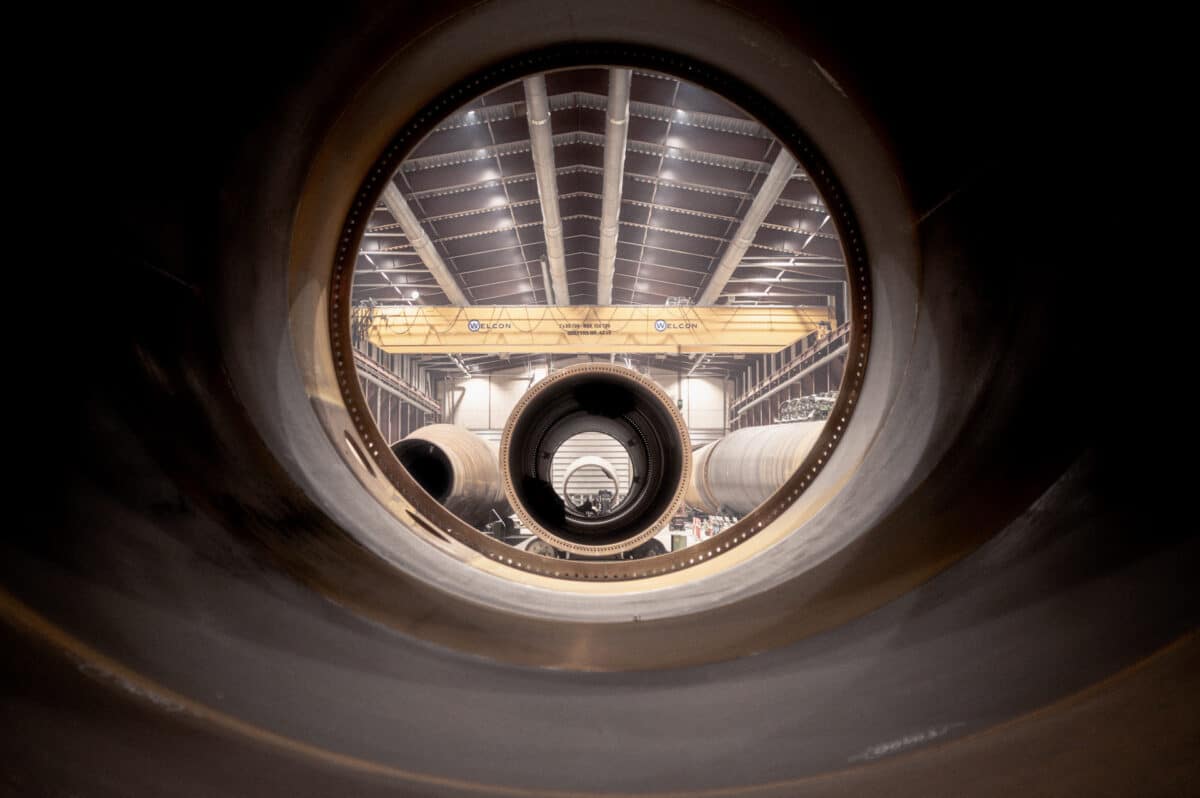
By designing floating foundations that can be assembled in standard ports and towed to site without heavy-lift vessels, one of the most significant cost drivers in offshore wind, logistics, is substantially reduced.
Large scale demonstration
Initiatives such as the Floating Frontrunner project are extending this industrial logic to the 15 MW+ turbine class, demonstrating that floating wind can compete not only on technical feasibility, but also on bankability.
Frequently Asked Questions
Why can’t bottom-fixed offshore wind be used everywhere?
Bottom-fixed foundations require relatively shallow seabed conditions, typically below around 60 meters. In many parts of the world, seabed conditions limit their use, particularly along the Pacific Rim, in the Mediterranean, and around island and archipelago nations where water depths increase rapidly close to shore.
In these regions, bottom-fixed offshore wind cannot be deployed at the scale required for large-scale decarbonization.
At what water depths does floating wind become relevant?
Floating wind becomes relevant where water depths exceed the practical limits of fixed foundations, generally beyond 50–60 meters. At these depths, floating foundations allow turbines to be installed without direct interaction with the seabed, opening access to deeper waters with stronger and more consistent wind resources.
Is floating wind technically proven?
Floating wind has been demonstrated through multiple full-scale projects over the past decade. These projects have validated the fundamental physics of floating foundations, including stability, mooring, and turbine operation. The industry’s focus is now shifting from technical feasibility toward cost reduction and industrialization.
What currently drives the cost of floating wind projects?
Key cost drivers include floating foundation fabrication, mooring systems, dynamic export cables, and offshore installation and logistics. As the industry matures, standardization, port-based assembly, and larger-scale deployment are increasingly being used to address these cost factors.
How does floating wind integrate with existing ports and supply chains?
Floating wind foundations can be assembled in port and towed to site, reducing the need for specialized offshore installation vessels. This enables the use of existing port infrastructure and established maritime supply chains, which is an important factor in scaling deployment efficiently.
When does floating wind reach commercial scale?
Floating wind is moving from demonstration toward early commercial projects in several markets. Continued deployment at larger turbine sizes and project scales, combined with industrialized manufacturing approaches, is expected to support broader commercial adoption over the coming years.